

Table of Contents
Understanding the Official Raymond James Stadium Capacity
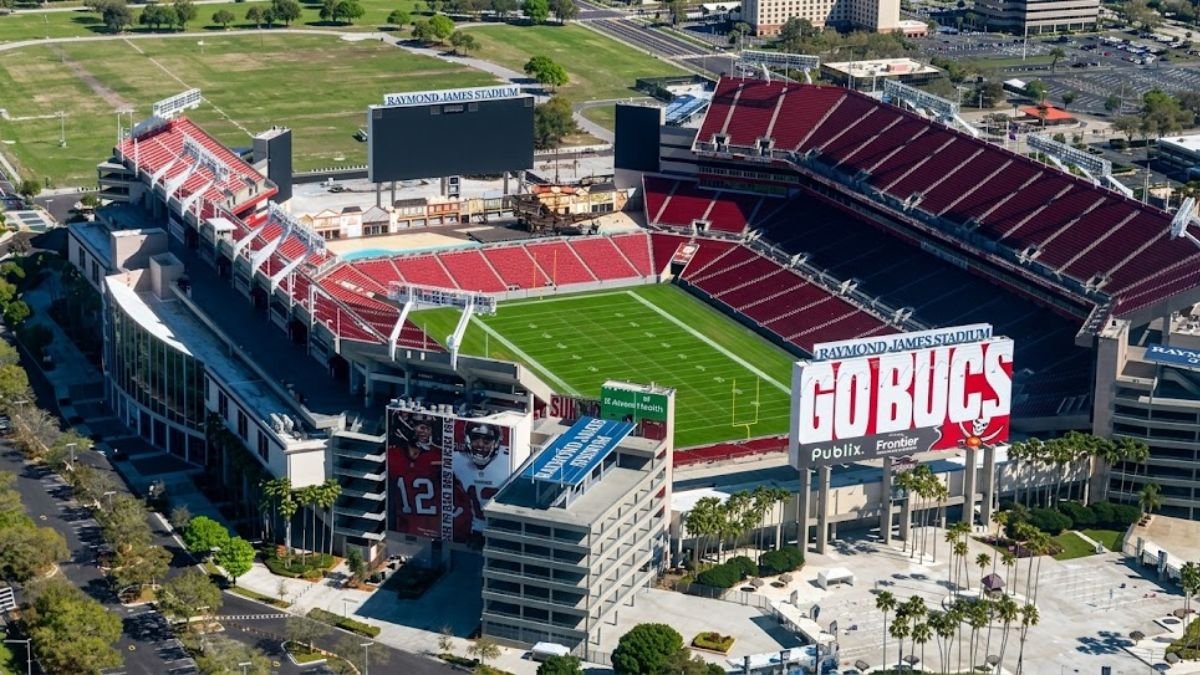
The seating capacity of Raymond James Stadium is one of the defining elements that establish its importance in the world of sports and live entertainment, offering a standard capacity of approximately 65,000 seats while maintaining the flexibility to expand beyond 75,000 for large-scale events. Situated in Tampa, the stadium was purpose-built to handle massive crowds while still delivering a comfortable and engaging fan experience, which is not an easy balance to achieve in venues of this size. The Raymond James Stadium capacity is carefully managed through a combination of permanent seating and temporary expansions, allowing event organizers to maximize attendance without sacrificing safety or visibility, ensuring that every visitor feels part of the action regardless of where they are seated.
The Architecture Behind the Capacity
The structural design of Raymond James Stadium plays a crucial role in how its capacity is utilized, with a multi-tiered seating arrangement that provides clear sightlines and efficient crowd distribution throughout the venue. The bowl-style layout ensures that even at maximum capacity, fans can enjoy unobstructed views of the field or stage, which is a key factor in maintaining high levels of satisfaction among attendees. Open-air elements integrated into the design help improve airflow, which is particularly important in the warm climate of Tampa, making the experience more comfortable even when the stadium is filled to its limits. The Raymond James Stadium capacity is further supported by wide concourses, strategically located entry points, and advanced infrastructure that allows for smooth movement of large crowds, reducing congestion and enhancing overall efficiency.
Game Day Experience with Full Capacity
On game days, the Raymond James Stadium capacity truly comes to life as fans of the Tampa Bay Buccaneers fill the stands to create an electrifying atmosphere that is felt both inside and outside the stadium. Competing in the National Football League, the Buccaneers rely heavily on the energy of their home crowd, and a full-capacity stadium can significantly influence the momentum of a game. The roar of tens of thousands of fans, combined with coordinated chants and celebrations, transforms the venue into one of the most intimidating environments for visiting teams. The Raymond James Stadium capacity ensures that a large number of supporters can be part of this experience, making each game a memorable event that goes beyond the action on the field.
Hosting Historic Events and Global Attention
The ability to expand Raymond James Stadium capacity has made it a prime location for hosting globally recognized events such as the Super Bowl, where the demand for seating reaches extraordinary levels. During these events, additional seating is installed to accommodate more than 75,000 spectators, along with media personnel and VIP guests from around the world. This scalability demonstrates the stadium’s ability to adapt to the highest levels of demand while maintaining a seamless experience for attendees. The global attention that comes with hosting such events not only highlights the importance of Raymond James Stadium capacity but also reinforces its reputation as a world-class venue capable of handling the biggest stages in sports and entertainment.
Concerts and Cultural Events at Maximum Scale
Beyond sports, Raymond James Stadium capacity is a major advantage when it comes to hosting concerts and cultural events that require large audiences. International music icons like Taylor Swift and The Weeknd have performed at the stadium, drawing massive crowds that fill every available seat and often extend into standing areas on the field. The flexibility of the stadium allows for different stage configurations and audience layouts, which can further increase the effective capacity depending on the event. This adaptability ensures that the venue remains competitive in attracting top-tier performers who require large spaces to accommodate their fan base, making Raymond James Stadium a key destination for major tours.
Seating Categories and Premium Experiences
Another important aspect of Raymond James Stadium capacity is the variety of seating options available to fans, ranging from general admission sections to premium suites and club-level seating. These different categories allow the stadium to cater to a wide range of audiences, from casual attendees to those seeking a more luxurious experience. Premium areas offer additional amenities such as exclusive lounges, enhanced food and beverage options, and private viewing spaces, all of which contribute to the overall capacity while elevating the quality of the experience. This diversity in seating ensures that the stadium can accommodate not only a large number of people but also different preferences and budgets, making it accessible to a broader audience.
Safety Measures and Crowd Management
Managing Raymond James Stadium capacity requires a strong focus on safety and organization, with advanced systems in place to handle large crowds efficiently. From security checkpoints to emergency response protocols, every aspect of the stadium’s operation is designed to ensure the well-being of attendees. Multiple entry and exit points, along with clear signage and trained staff, help guide fans throughout the venue, reducing the risk of congestion and ensuring a smooth flow of movement. These measures are particularly important during events that push the stadium to its maximum capacity, where effective crowd management becomes essential for maintaining a safe and enjoyable environment.
Economic and Tourism Impact
The large Raymond James Stadium capacity has a significant impact on the economy of Tampa, as it enables the city to host events that attract visitors from across the country and around the world. When the stadium operates at full capacity, local businesses experience increased demand, from hotels and restaurants to transportation services and retail outlets. This influx of visitors generates substantial revenue and creates opportunities for growth in the tourism sector, making the stadium an important contributor to the city’s overall economic development. The ability to host large crowds is central to this impact, as it directly influences the scale and success of the events held at the venue.
Future Developments and Capacity Enhancements
As technology and fan expectations continue to evolve, Raymond James Stadium capacity is likely to benefit from future upgrades and innovations aimed at improving both efficiency and experience. Enhancements in digital ticketing, crowd analytics, and smart infrastructure could further optimize how the stadium manages large audiences, making it even more effective in handling high-demand events. While the core capacity may remain similar, the way it is utilized and experienced will continue to evolve, ensuring that the stadium remains relevant in an increasingly competitive landscape of modern venues.
Conclusion
The Raymond James Stadium capacity is far more than a simple figure; it represents the stadium’s ability to bring people together for unforgettable moments in sports, music, and entertainment. With a standard seating capacity of around 65,000 and the flexibility to exceed 75,000 for major events, the venue stands as a testament to thoughtful design, adaptability, and large-scale event management. Whether it is a thrilling game featuring the Tampa Bay Buccaneers or a globally celebrated event like the Super Bowl, the stadium continues to demonstrate its capability to host massive audiences while delivering an exceptional experience, solidifying its place as one of the most important venues in Tampa and beyond.